

Monday 20 The online meeting was held in April with the local entities involved in the Erasmus+ project to share experiences and good practices
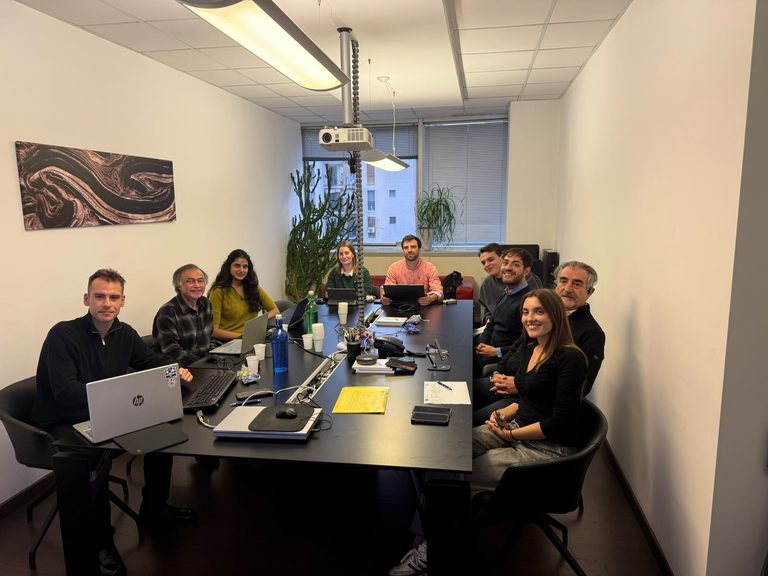
It was held on Monday 20 April the online meeting with the host communities involved in the Erasmus+ BAG project – Bring Ability and Knowledge in sustainable tourism. The meeting represented an important moment of comparison and exchange between the different territorial realities that, with different approaches, they are experimenting with sustainable and responsible tourism models.
A dialogue between different experiences
Four significant figures from the Italian sustainable tourism panorama spoke during the meeting: Info Irpinia, tourist-cultural association active in the province of Avellino; The Cilento Farm, experiential farmhouse located in the Velia Plain; the Carmine Cocoza Farm, reality dedicated to biodynamic agriculture and the valorization of ancient traditions; e Gaya, cultural association committed to creating meeting spaces between nature and community.
The objective of the meeting was twofold: on the one hand, to introduce the different realities involved in the research phase of the project to each other, on the other hand, collect ideas and reflections on the role of local communities in building truly sustainable tourism.
The value of authenticity and territorial roots
From the comparison it was forcefully evident that sustainable tourism cannot ignore a deep rooting in the territory and the ability to enhance local resources in an authentic way. The host communities have underlined the importance of offering experiences that go beyond mass tourism, focusing instead on a conscious welcome that puts people and their connection with the territory at the centre.
The theme of valorising ancient traditions and knowledge was particularly significant, which represent an invaluable asset for creating unique and significant tourist experiences. From the Mediterranean diet to traditional agricultural practices, from the recovery of ancient recipes to experimental archaeology, the entities involved are demonstrating how it is possible to combine tradition and innovation to offer tourist proposals that have a positive impact on the territory.
The challenges of sustainable tourism in inland areas
Another central theme of the discussion concerned the specific challenges that internal areas are facing in the development of sustainable tourism. Among the critical issues that have emerged are the lack of specialized professional figures, as tourist guides of the area, and the need to strengthen the linguistic and technical skills of local operators.
At the same time, it was highlighted how tourism in internal areas can represent an important opportunity for the psychophysical well-being of visitors, thanks to contact with nature, the rediscovery of slower rhythms and the authenticity of human relationships. This type of tourism, if developed consciously, it can become a tool for prevention and health promotion, as well as cultural and economic valorisation of the territory.
Next steps
The meeting of the 20 April represents only the first step of a broader process of discussion and collaboration. The contributions collected will form the basis for the development of the BAG training module and for the creation of a virtual community that allows the continuous exchange of experiences and knowledge between the various actors involved.
The project continues its journey with the aim of building a transnational network that connects the public, private and third sector, promoting increasingly sustainable tourism, inclusive and capable of generating value for local communities.